Craftsmanship Beneath Your Feet: What to Look for in a Floor Installation Service Provider


In the realm of transforming a space, the function of a flooring contractor is essential. Quality flooring not only enhances the design quality of a property but also contributes to its long-term durability and performance. Whether you are initiating a commercial project or updating your home, selecting the best flooring contractor can make all the difference in achieving the desired results. With countless options available, recognizing what to look for in a contractor is essential for ensuring a successful installation.
Throughout this guide, we will explore important aspects to consider when hiring a flooring contractor. From evaluating a contractor's portfolio for both structural and aesthetic integrity to understanding the critical questions to ask before making a decision, we aim to arm you with the knowledge needed to manage this important process. With insights on luxury flooring finishes, moisture and leveling issues, and the latest in sustainable materials, you’ll be able to make an knowledgeable choice that aligns with your project goals.
Essential Considerations When Choosing a Surface Contractor
Determining the appropriate flooring contractor is vital to the effectiveness of your project. Topographic Surveys Ham by reviewing the contractor's background and knowledge in working with the particular type of flooring you need, whether hardwood, tile, or commercial-grade materials. A seasoned contractor should have a strong portfolio demonstrating previous projects that demonstrate both structural integrity and design quality. Seek out samples that align with your design concept and ask for references from past clients to assess their happiness and trustworthiness.
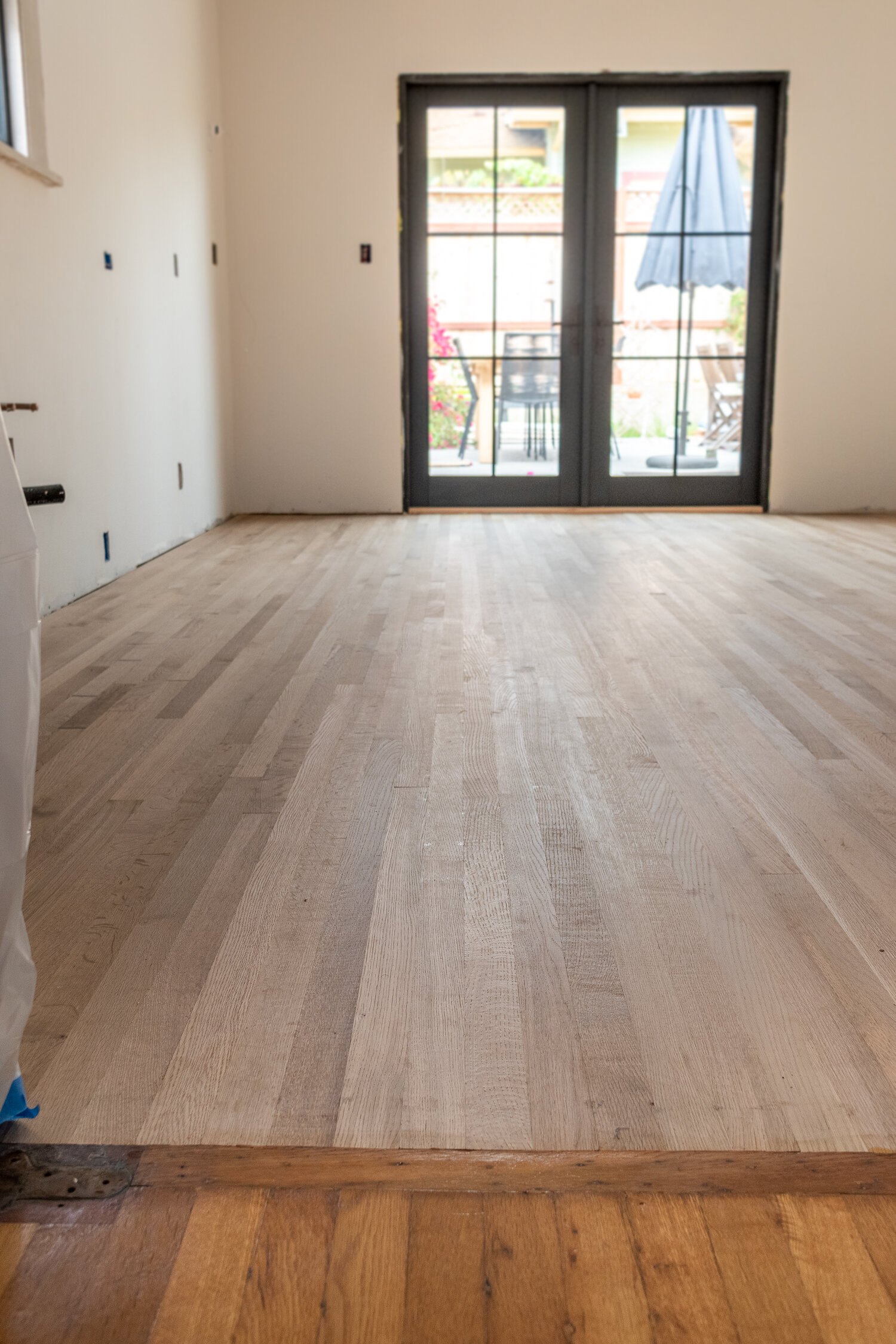
An additional important factor to think about is the contractor's expertise of subfloor preparation, which is essential for a smooth installation. Make sure that they are knowledgeable in addressing moisture issues and leveling challenges that might impact the longevity of your flooring. Ask about their method for preparing the subfloor and how they manage compatibility with different flooring materials, especially if your environment has distinct architectural features or climate considerations.
In conclusion, assess how the contractor works with other professionals, such as architects and interior designers, to ensure a cohesive and smooth project execution. Good communication and a definite understanding of the scope of work are essential to avoid costly oversights. Find out how the contractor proposes to manage timelines and navigate interactions with other trades participating in the fit-out process, which can ultimately impact your project's schedule and budget. ### Flooring Installation Technical Insights
Comprehending the intricacies of foundation readiness is essential for achieving a flawless flooring installation. It’s important to address humidity and leveling issues before applying the flooring. Topographic Surveys Ham -end flooring professionals often employ advanced tools to conduct humidity testing, ensuring that the environment is appropriate for materials like hardwood or stone. Properly addressing these factors not only improves the lifespan of the flooring but also helps preemptively mitigate potential failures that can arise from improper application conditions.
The selection of the right materials is just as important, as it immediately impacts both sturdiness and aesthetics. Contractors must balance these two factors, particularly in high-traffic industrial environments where damage and stress is a concern. Utilizing eco-friendly and FSC-certified materials can also meet sustainable building standards while still creating aesthetically pleasing spaces. It is essential that contractors examine the durability of their selected materials to ensure they meet both functional and visual intent.
Cooperation between flooring contractors and architects is vital for a smooth installation. Effective communication can prevent financial mistakes and setbacks often seen in business flooring installations. By creating a comprehensive scope of work and coordinating with other trades, such as mechanical and electronic, flooring contractors can enhance efficiency and minimize interruptions. This structured approach is essential for maintaining schedule and budgets, ensuring that the final installation meets both visual and standard standards.
Project Management Approaches for Commercial Surfacing
Robust project oversight remains essential for the effectiveness of all corporate surfacing task. A primary key primary involves creating a thorough project plan which outlines every important deliverables and deadlines. This schedule needs to include crucial stages such as subfloor preparation, supplies delivery, installation, and quality assurance checks. By setting clear deadlines, flooring contractors can guarantee that they keep in line and collaborate efficiently with collateral contractors, reducing the likelihood of delays and guaranteeing that the task runs without issues.
A further important strategy is communication and teamwork with each person engaged in the assignment. Regular discussions with designers, creators, and subcontractors can aid addressing possible problems that come up swiftly, allowing for quick decisions and modifications. Utilizing project coordination tools can assist in tracking development and share news in immediate, ensuring that all parties are on the same page on goals and deadlines. This joint strategy does not only boosts productivity but also fosters a sense of collaboration among every participants involved, leading to a more successful assignment outcome.
Lastly, hazard assessment has a significant part in commercial flooring task oversight. Spotting potential threats early on, such as material scarcity, surprising location conditions, or weather-related delays, enables professionals to create backup plans. Performing thorough location evaluations and applying humidity checks before implementation can aid reduce challenges related to humidity and evenness. By preemptively tackling these threats, floor covering professionals can maintain control over their activities and uphold their promises to stakeholders and participants.