Natural Light Metrics: Evaluating Light Quality in Design


As the world becomes increasingly aware of the importance of eco-friendliness and well-being in architectural design, light assessment has emerged as a essential tool for current architects. This practice goes beyond simply measuring light availability; it involves a comprehensive evaluation of how natural light interacts with the built environment. By comprehending daylight metrics, architects can create spaces that not only boost design appeal but also increase sustainable energy use and inhabitant satisfaction.
In this article, we will explore what daylight analysis entails and its significance in contemporary architecture. We will dive into essential ideas such as daylight factor, spatial daylight autonomy, and annual sunlight exposure, offering perspectives into how these metrics inform architectural choices. As we navigate through the various facets of daylight analysis, including its role in accreditation systems like LEED and Building Research Establishment Environmental Assessment Method, we will highlight the practical applications of daylight simulation tools and the benefits they can have on both structural efficiency and occupant well-being. Join us on this journey to unlock the benefits of leveraging natural light in architectural design.
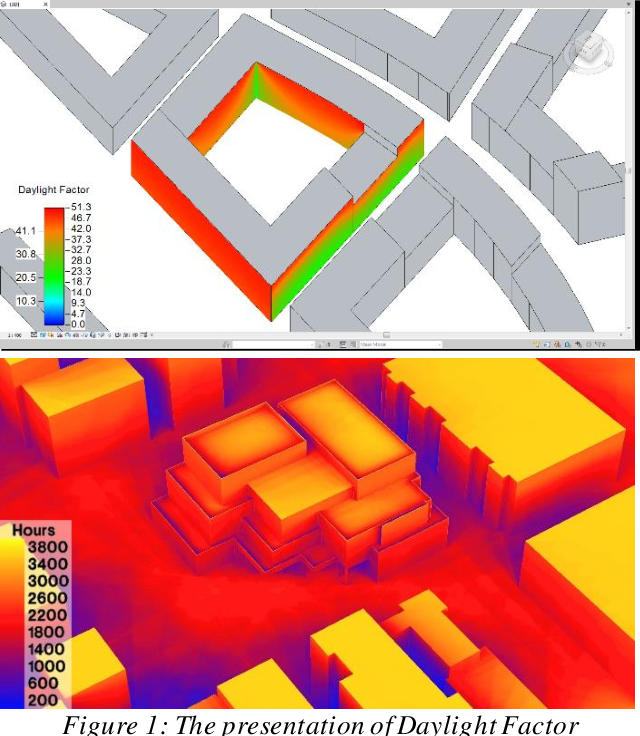
Grasping Natural Light Assessment
Natural light assessment is a critical task in building design that examines how daylight interacts with constructed spaces. It consists of measuring and evaluating the characteristics, amount, and spread of daylight within a space. This assessment helps architects and designers make knowledgeable choices about window placements, building orientation, and facade layouts to maximize the utilization of daylight. The goal is to enhance user comfort while reducing dependency on artificial lighting, thus encouraging energy efficiency in structures.
One of the key approaches of performing daylight analysis is through simulation tools that model sunlight exposure and allocation throughout the seasons. These resources enable the assessment of various factors, such as the angle of sunlight, shadows cast by surrounding structures, and annual changes in the availability of natural light. By simulating these elements, designers can detect potential problems such as excessive brightness, inadequate illumination, or zones of high temperatures. This information is vital for creating environments that enhance comfort and functionality.
In furthermore to comfort and visual appeal, natural light assessment plays a important role in achieving eco-friendly criteria and accreditations, such as LEED and BREEAM. These frameworks recognize the importance of daylight in sustainable design practices. By integrating natural light assessment at the outset in the design phase, designers can enhance overall performance of buildings, lower energy expenditures, and add to healthier surroundings for occupants. This forward-thinking approach promotes innovations in building design that align with contemporary sustainable objectives.
Resources and Techniques for Daylight Modeling
In the field of natural light analysis, multiple tools and methods have appeared to aid architects in designing spaces that optimize natural light. Applications like Radiance is often employed for its precision in representing light characteristics. It features enhanced capabilities for determining daylight factors and can simulate the intricate relationships between light and surfaces. Likewise, SunCalc provides an accessible interface that allows users to perform daylight simulations efficiently. It is especially beneficial for those seeking to integrate daylight analysis into their routine seamlessly.
Additionally effective tool is Ecotect, which is part of the Autodesk platform. This software enhances power modeling alongside daylight analysis, aiding architects comprehend the interaction between natural light and energy consumption. With Daylight Analysis Nailsea Somerset , designers can quickly assess their plans’ performance in terms of daylight access and quality. Additionally, many of these tools enable climate-based daylight modeling, providing insights into how periodic changes influence natural lighting in a setting.
Methods for conducting daylight analysis have also developed, focusing on metrics like spatial daylight autonomy and total sunlight availability. By employing these metrics, designers can assess how design choices—such as window positioning, glazing selection, and building orientation—affect daylight penetration. Applying responsive shading solutions and glare control strategies further enhances these analyses, guaranteeing occupants enjoy both aesthetic pleasure and sustainable usage. Adopting these instruments and methods not only contributes to healthier indoor environments but also aligns with sustainability goals in modern architecture.
Natural Light Analysis in Eco-Friendly Design
Eco-Friendly design progressively prioritizes the incorporation of daylight to improve energy performance and tenant comfort. Light analysis plays a vital role by evaluating how daylight interacts with building spaces. By utilizing tools like Climate-Based Daylight Modeling, architects can simulate various conditions and refine window placements, window glazing, and shading devices. This systematic approach allows for more informed design decisions that minimize reliance on man-made lighting, thus lowering overall energy consumption.
In the context of sustainable buildings, daylight analysis contributes substantially to occupant well-being. Access to natural light is associated with improved mood, productivity, and health. By understanding metrics such as UDI and Annual Sunlight Exposure, architects can ensure that interiors receive sufficient light, promoting a wholesome living or working environment. This emphasis on well-being not only benefits individuals but can also lead to increased tenant contentment and continuity in business and home spaces.
Furthermore, incorporating daylight analysis in the initial design phase can enhance the overall performance of a building. It leads architects in achieving optimal window-to-wall ratios and guides decisions related to building massing. By optimizing light access and thermal performance, designers can prevent overheating while enhancing energy efficiency. Daylight Analysis Street Somerset with sustainable design principles but also helps achieve certifications like LEED and BREEAM, proving the viability and environmental responsibility of modern architecture.