Leveraging Ambient Light: Top Practices in Sunlight Analysis


In the field of architecture, harnessing the power of natural light has become an essential practice to create functional and aesthetically pleasing spaces. Analyzing daylight is vital of achieving this goal, enabling architects to evaluate natural light’s quantity and quality within a building’s design. This practice is not only about enhancing the visual appeal of interiors and aims to optimize energy efficiency and promoting occupant well-being. Through the use of cutting-edge tools and methods for daylight simulation, architects are able to make educated choices that have a substantial effect on the performance and sustainability of their projects.
With the evolution of modern architectural challenges, the necessity for thorough daylight analysis also grows. Grasping critical concepts like the daylight factor, spatial daylight autonomy, and yearly sunlight exposure is fundamental for achieving exceptional design outcomes. Furthermore, daylight analysis plays a key role in conforming to standards of sustainability such as the LEED and BREEAM standards, ensuring buildings provide comfort, but also lessen their ecological footprint. This article will explore best practices in daylight analysis, providing insights on its advantages, methods, and the tools that are redefining future architectural design.
Comprehending Daylight Analysis
Daylight analysis is a critical process in building design that examines how daylight works with buildings. By analyzing the allocation and quality of daylight within areas, builders can develop settings that are not only aesthetically pleasing but also energy-efficient. This analysis involves assessing factors such as sunlight exposure, brightness discomfort, and the availability of daylight throughout different periods of the day and times of year.
A key component of daylight analysis is understanding metrics like daylight factor and spatial daylight autonomy. These metrics provide quantitative insights into how well a structure makes use of daylight. By comparing these measurements, architects can make informed design decisions that improve visual comfort and enhance energy usage, reducing reliance on man-made light sources and contributing to general sustainable development goals.
Integrating daylight analysis early in the design phase aids in building healthier spaces that enhance occupant well-being. With Daylight Analysis Street Somerset in simulation tools and simulation techniques, designers can ascertain not just how much natural light comes into a space, but also how it affects occupant output and mood. This understanding enables the integration of natural light in a way that enriches the spaces where users live and work users inhabit.
Instruments and Approaches for Daylight Assessment
A selection of tools are used in assessing daylight to guarantee optimal light quality and effectiveness. Programs like Radiance, DaylightAnalyzer, and LightTools are widely recognized for their capability to model natural lighting conditions across architectural environments. These programs allow architects to visualize daylight patterns, assess how light plays with surfaces, and analyze the success of design strategies in enhancing natural light access. By using these advanced simulation platforms, architects can make smart decisions early in the design process and avoid costly adjustments later.
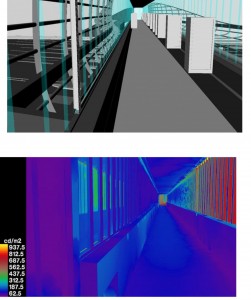
CBDM (CBDM) is a powerful method that depends on climatic data to estimate daylight presence throughout the year. This technique helps in understanding seasonal variations and ensures that spaces are designed for maximum luminosity at different times of the year. By embedding CBDM into their workflow, planners can enhance visual comfort and reduce reliance on artificial lighting, which is crucial for energy optimization in modern buildings.
In complement to digital tools, conventional methods such as physical modeling and site analysis play a vital role in daylight assessment. Creating scale representations and testing them in natural light conditions allows practitioners to see firsthand the effects of design choices. Site analysis, including the study of surrounding structures and landscape features, provides key context that guides the placement of windows and voids. This combination of digital and tactile approaches ensures a thorough understanding of how natural light shapes the architectural environment.
Influence of Daylight on Building Design
Incorporating natural light into building design profoundly influences both aesthetic and practical aspects of architecture. By optimizing natural light, architects can create welcoming spaces that improve aesthetic appeal and promote a sense of well-being among inhabitants. Careful daylighting strategies lead to lively interiors, allowing natural light to penetrate deep into interior layouts, reducing the reliance on artificial lighting, and creating a comfortable atmosphere that harmonizes with natural rhythms.
Additionally, the effect of natural light on energy efficiency cannot be understated. Design choices such as window placement, building orientation, and window glazing directly influence how daylight enters a structure. Effective daylight analysis allows architects to optimize these factors, thus minimizing energy consumption for lighting and cooling. Daylight Analysis Wells Somerset supports sustainable practices but also contributes to long-term cost savings, making structures more cost-effective and environmentally friendly.
Finally, effective use of natural light plays a key role in enhancing overall building performance. By integrating light evaluation early in the planning stages, architects can ensure that daylight is considered alongside thermal performance, avoiding issues such as glare and overheating. Daylight Analysis Nailsea Somerset of light interactions aids in creating spaces that not only meet regulatory standards but also foster well-being and productivity, proving that good design is deeply connected to the natural environment.